-

Wine Trends & Megan’s Reflections from Wine Paris
Wine Trends & Megan’s Reflections from Wine Paris The news reports are glum: Global wine consumption is facing a steady, long-term decline, with U.S. consumption dropping nearly 20% since 2021, due in part to health consciousness and competition from other beverages. But there’s hope! While overall volume is down, consumers are shifting toward premium, high-quality,
-
A Unique “Sense of Place” for Swiss Wine
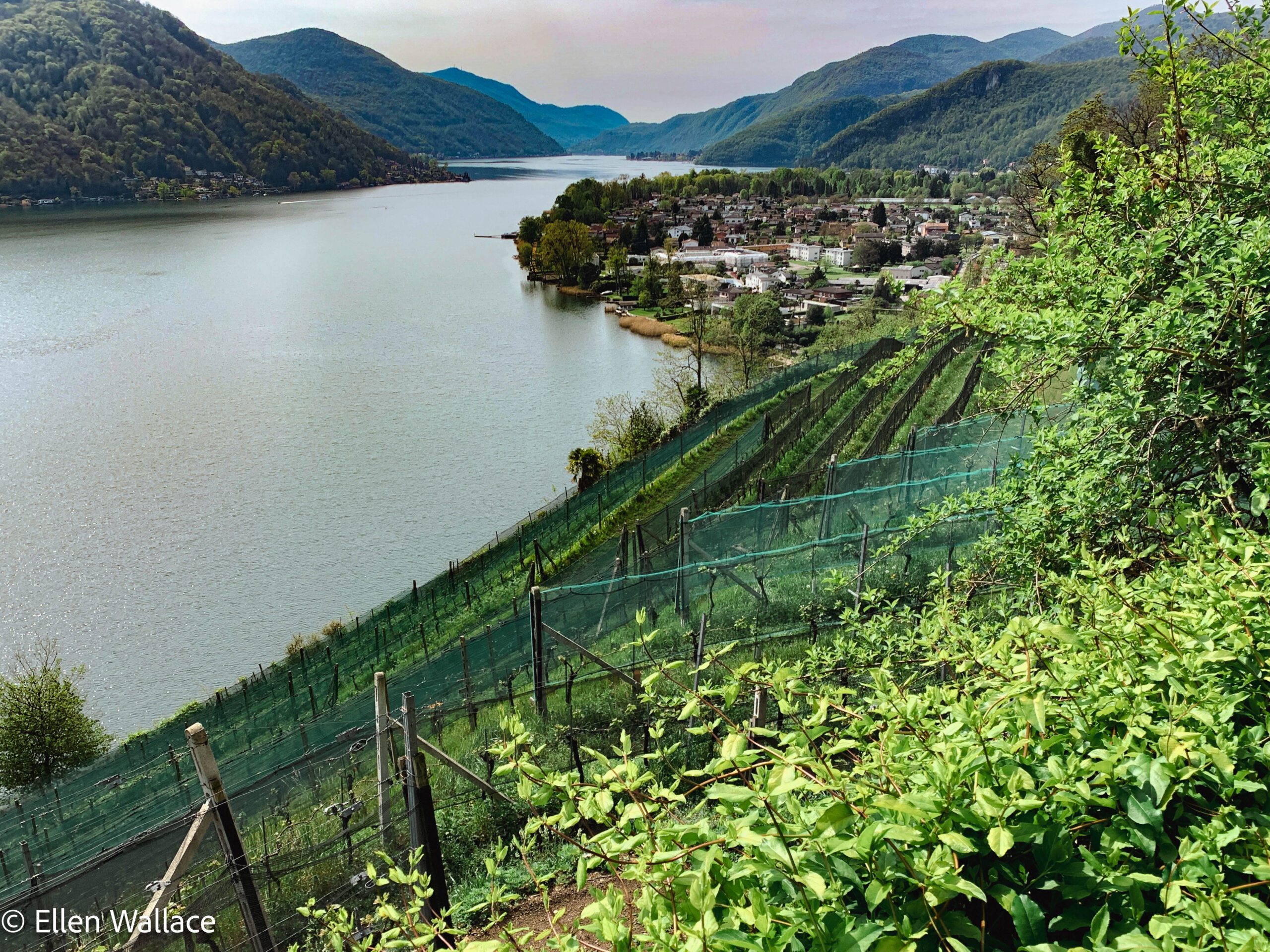
A Unique “Sense of Place” for Swiss Wine As we often talk about here at Prost, wines are influenced by their terroir (pronounced tare-WAHR), which is the “sense of place” in wine, representing how the natural environment – soil, climate, and topography – shapes a wine’s unique character, flavor and aroma. It’s the holistic combination
-
One Grape, Many Faces: Swiss Pinot Noir
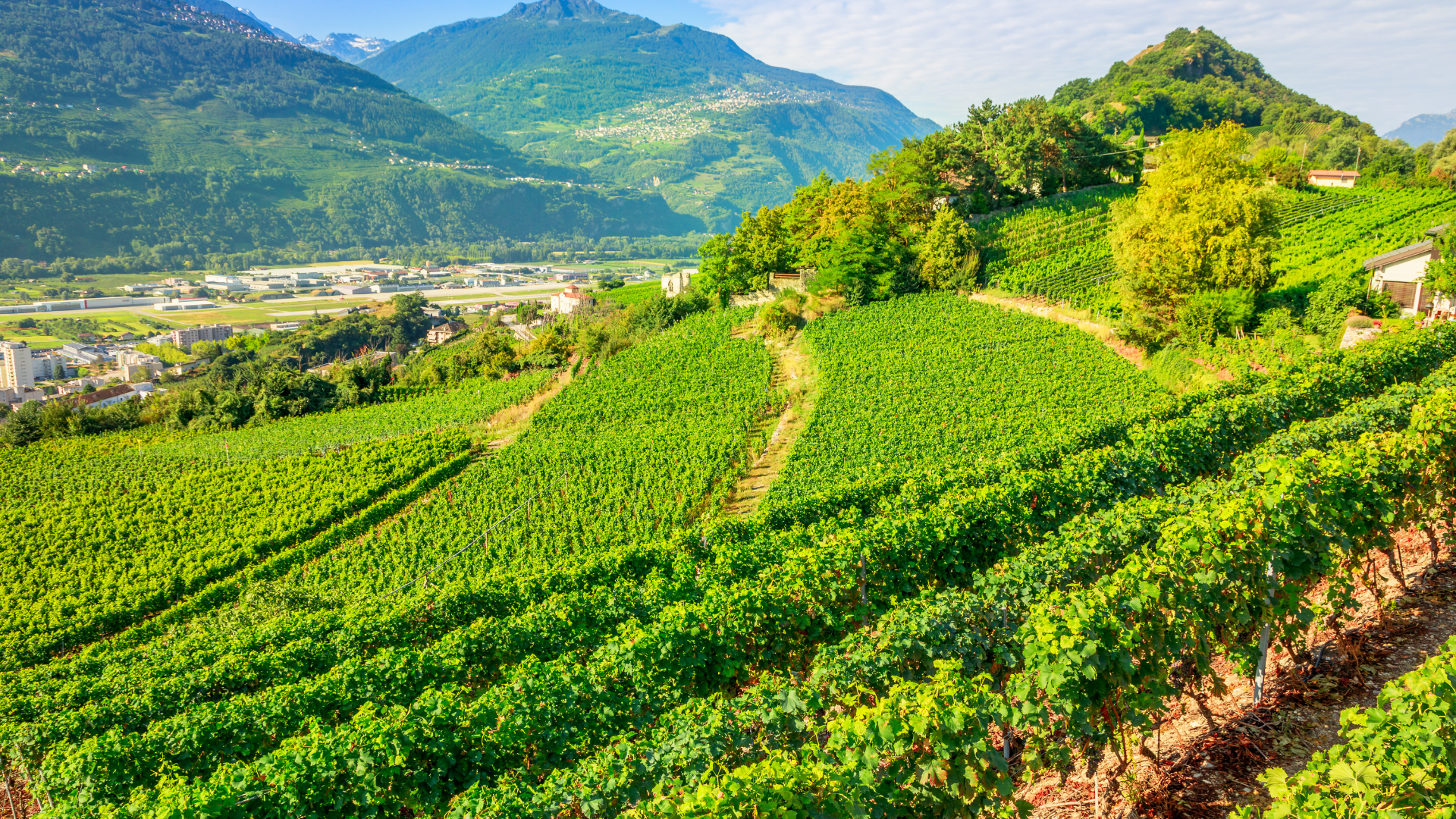
One Grape, Many Faces: Swiss Pinot Noir Pinot Noir may be famously finicky, but in Switzerland, it has found a true Alpine home. It’s actually the most planted grape in the country (covering about 28–30% of vineyards), thriving in the cool climate and varied mountain terroirs. Because Switzerland is so small yet geologically diverse, Pinot here
-
What is “Low-Intervention” Wine?
What is “low-intervention” wine and why is it better for me? Low-intervention wine is a “less is more” winemaking philosophy, focusing on minimal human interference in the vineyard and cellar to let the grapes’ natural character and terroir shine through. Also referred to as “clean” wine, this winemaking process often involves organic/biodynamic farming, using native
-
The Sweet Side Of Swiss Wine:
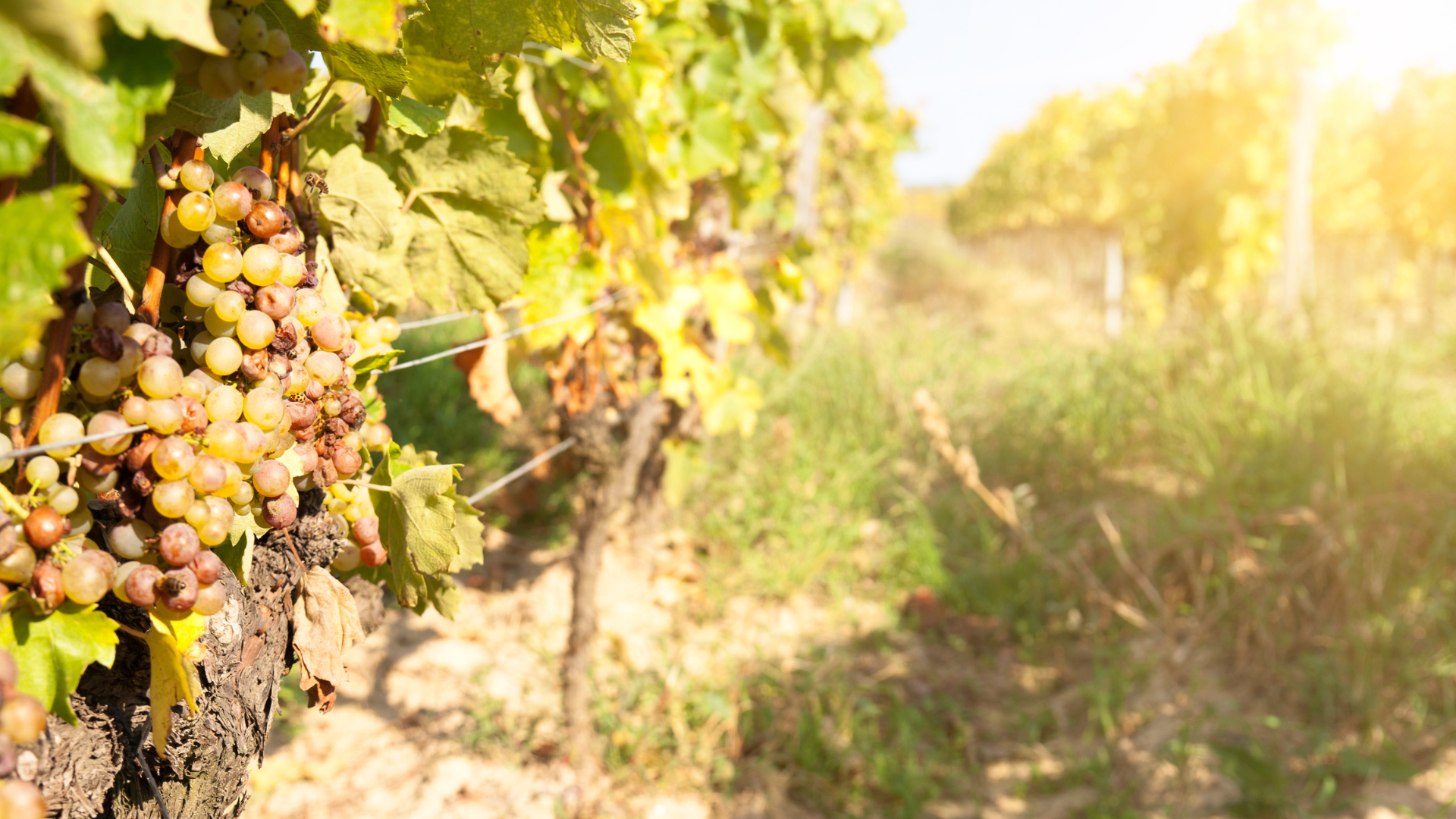
How Noble Rot Creates Liquid Gold In the cool, misty corners of Switzerland’s vineyards, a remarkable natural phenomenon transforms ordinary grapes into the base for some of the country’s most exquisite dessert wines. This phenomenon is noble rot, or Botrytis cinerea—a fungus that, under just the right conditions, works a kind of alchemy on ripe
-
Wine Tasting 1O1: Step #2
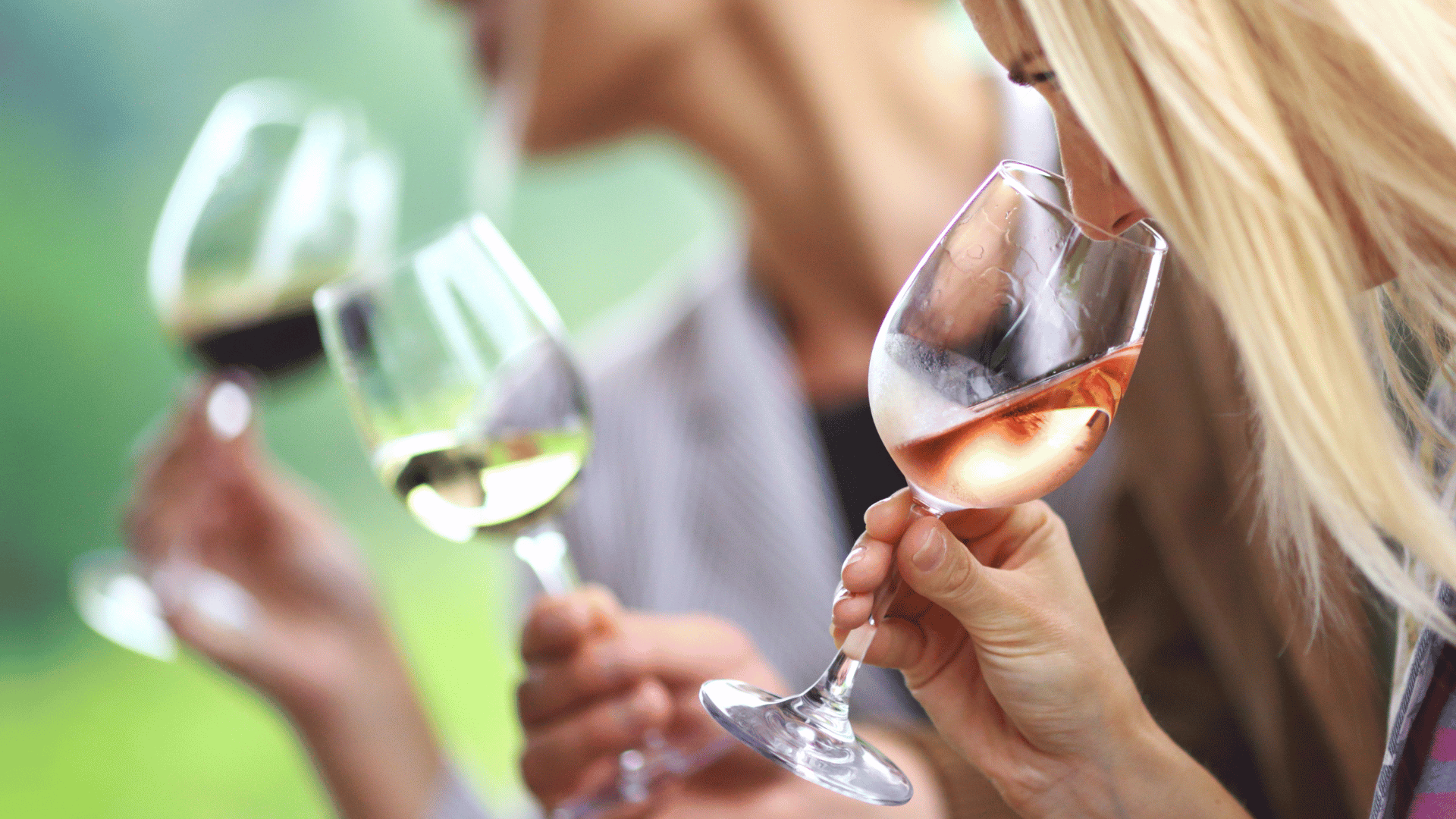
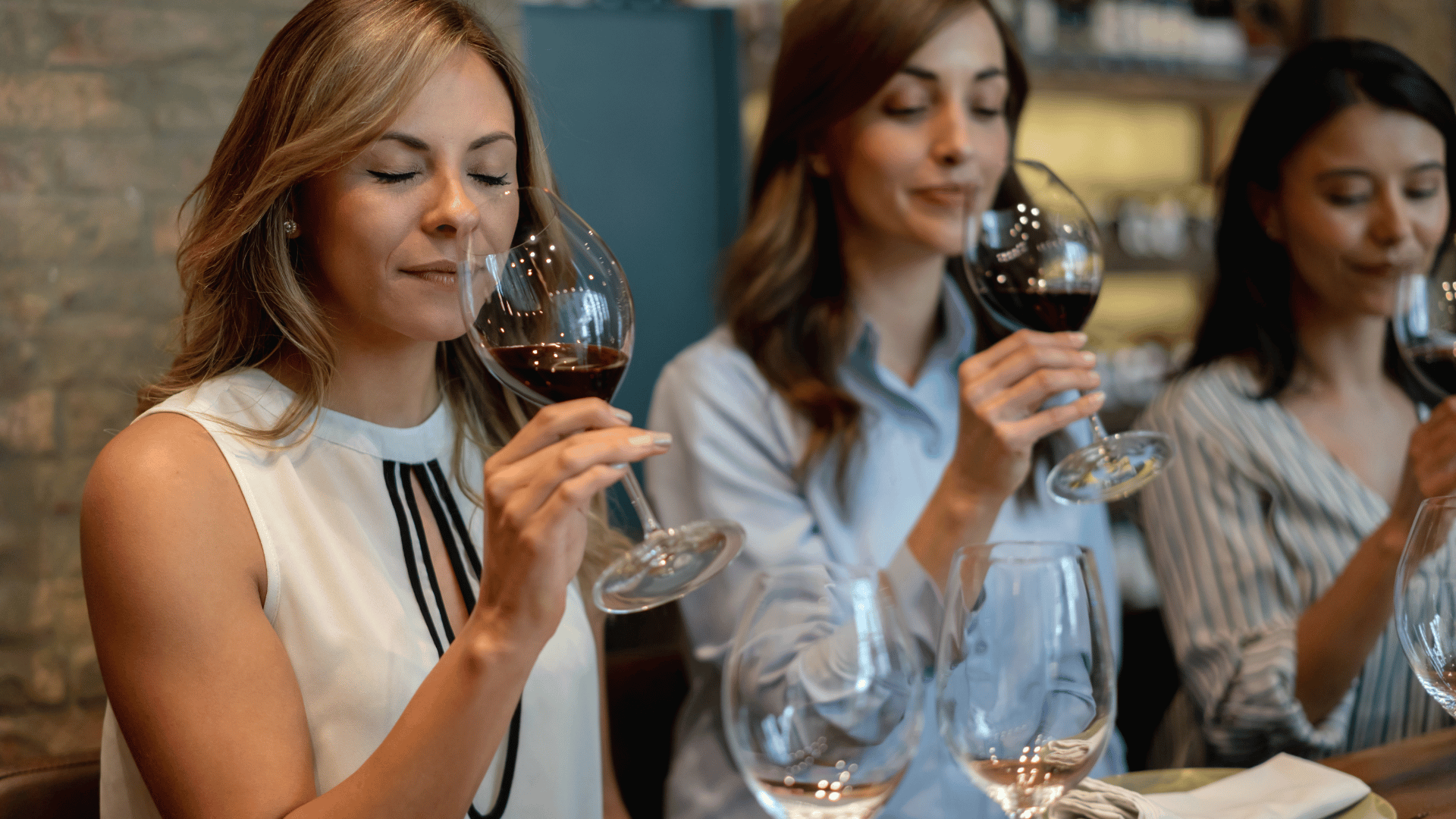
Wine Tasting 1O1: Step #2 Let’s get nosy about our wines In our last issue, we talked about what you see in your glass when tasting wine. The next step is smelling the wine, which can tell us a lot about its complexity, character, and quality. Because approximately 80% of what we perceive as taste comes from our
-
Wine Tasting 1O1: Step #3
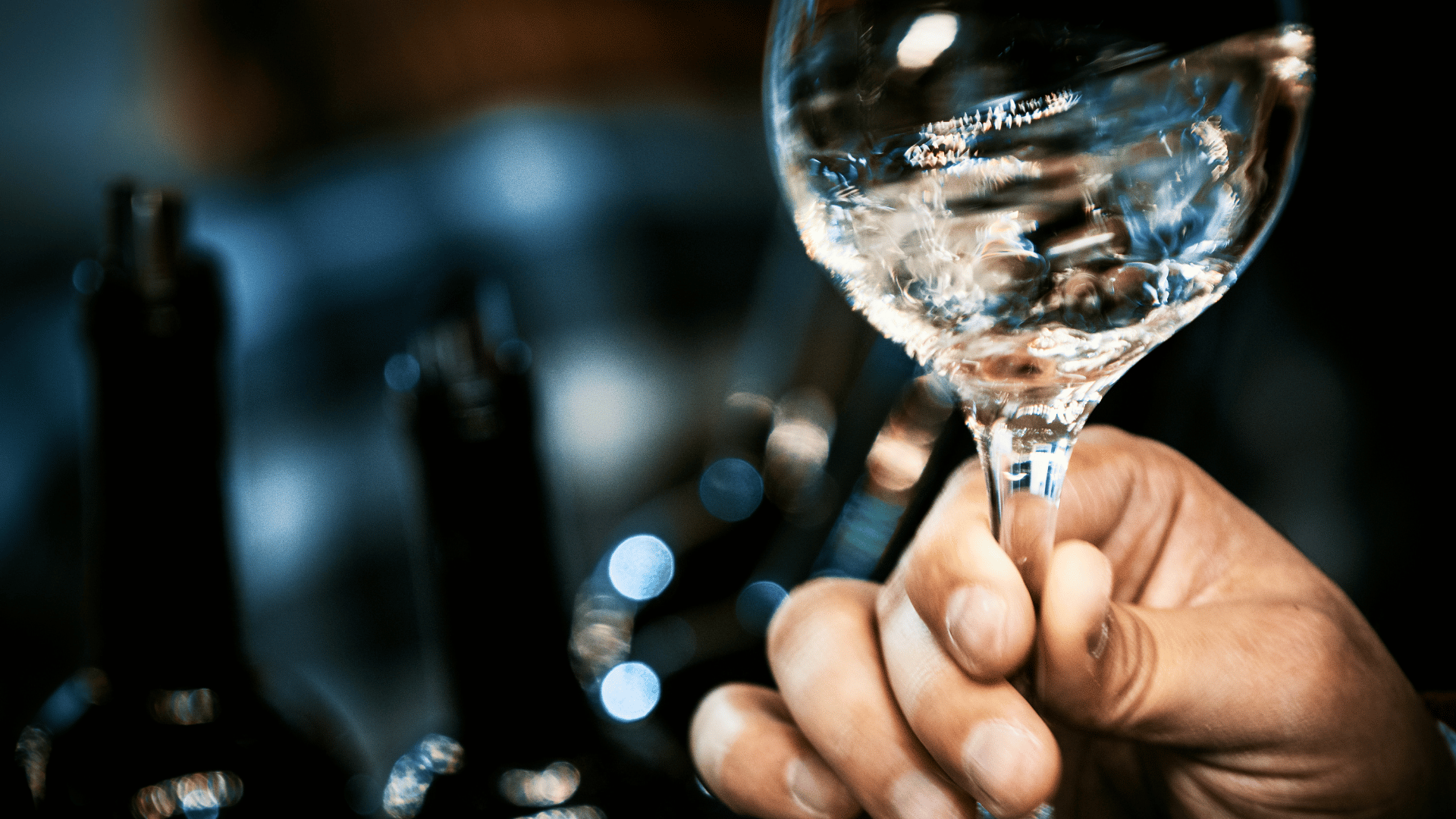
Wine Tasting 1O1: Step #3 Sip, swish & savor As we learned last month, 80% of wine flavors come from smell, not taste. But the fun part is the tasting, so here’s the best way to sip, swish and savor your favorite wines! Tasting the Wine: First, sip: Take a small sip, but enough to coat your
-
The Influence of Altitude in Wine
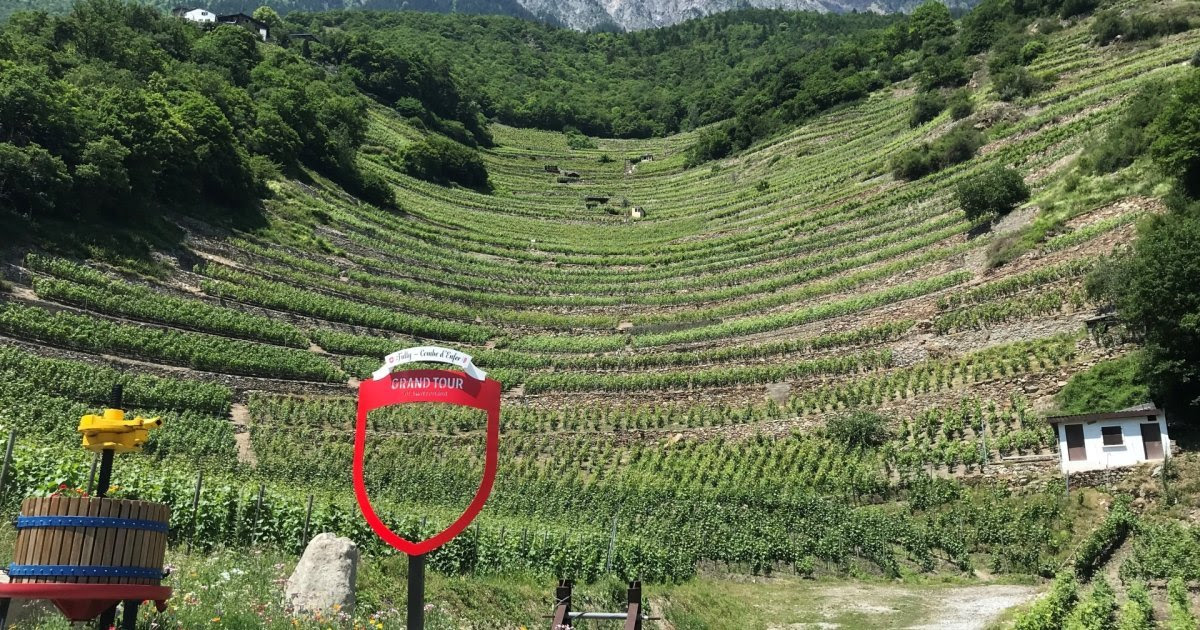
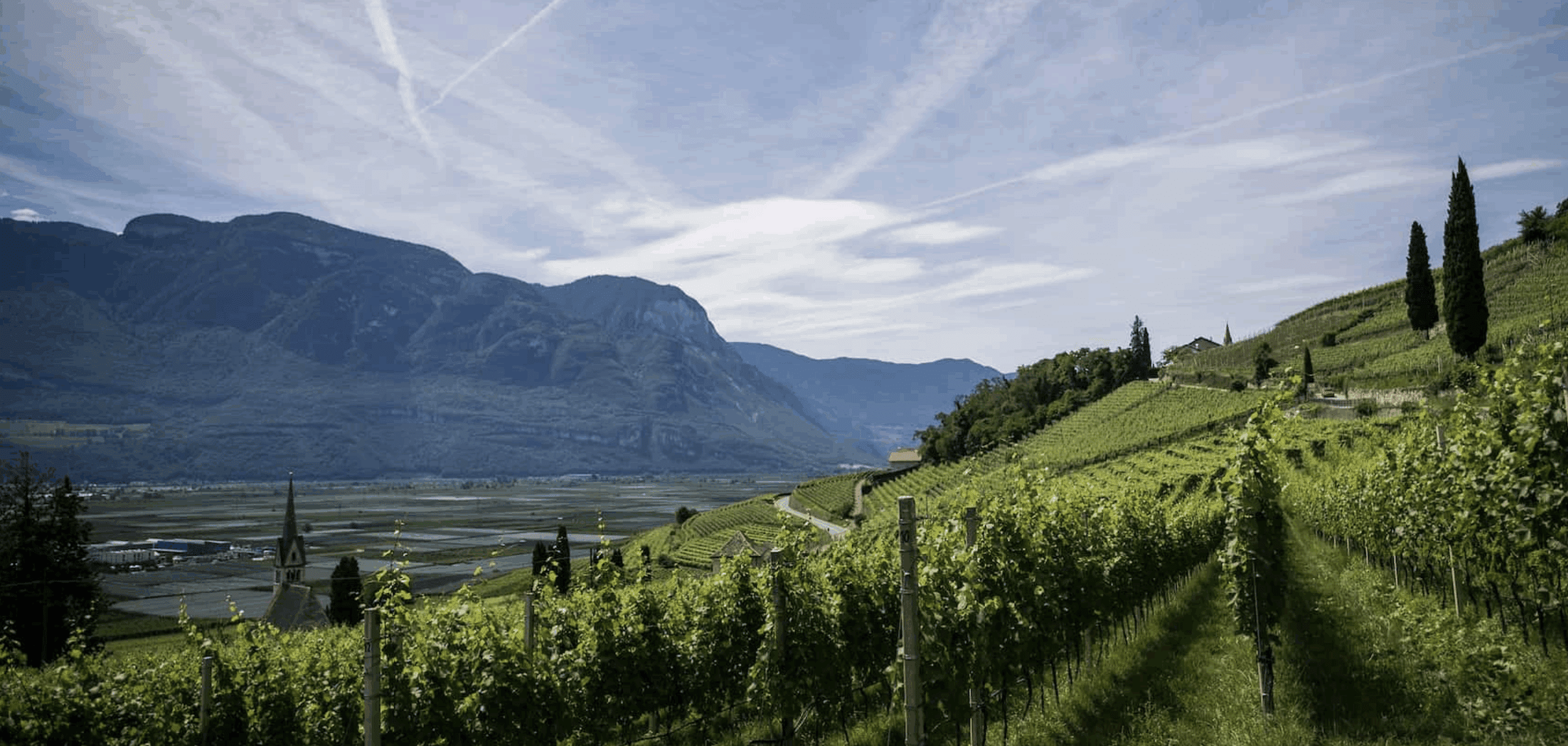
The Influence of Altitude in Wine Why Swiss Wines Are So Special When people think of great wine regions, they often picture rolling hills, sun-drenched valleys, and riverside vineyards. But Switzerland offers something far more dramatic: vineyards that climb mountainsides, often perched at dizzying altitudes where few expect fine wine to thrive. These alpine vineyards
-
Wine Tasting Vocabulary
Common Wine Tasting Terms Here are 10 common wine tasting terms that can help you navigate the world of wine.
-
Non-filtered wines
Non-filtered Wines Summer is the perfect time to go au naturel ~ Prost to the non-filtered wines! As you know and appreciate, at Prost we feature low-intervention and biodynamic wines. The Swiss philosophy is one of minimal intervention, resulting in wine that reflects the true essence of the vineyard and grapes. As the winemakers work