
The Influence of Altitude in Wine
Why Swiss Wines Are So Special
When people think of great wine regions, they often picture rolling hills, sun-drenched valleys, and riverside vineyards. But Switzerland offers something far more dramatic: vineyards that climb mountainsides, often perched at dizzying altitudes where few expect fine wine to thrive. These alpine vineyards are not only a visual spectacle, but they also give Swiss wines their distinctive character.
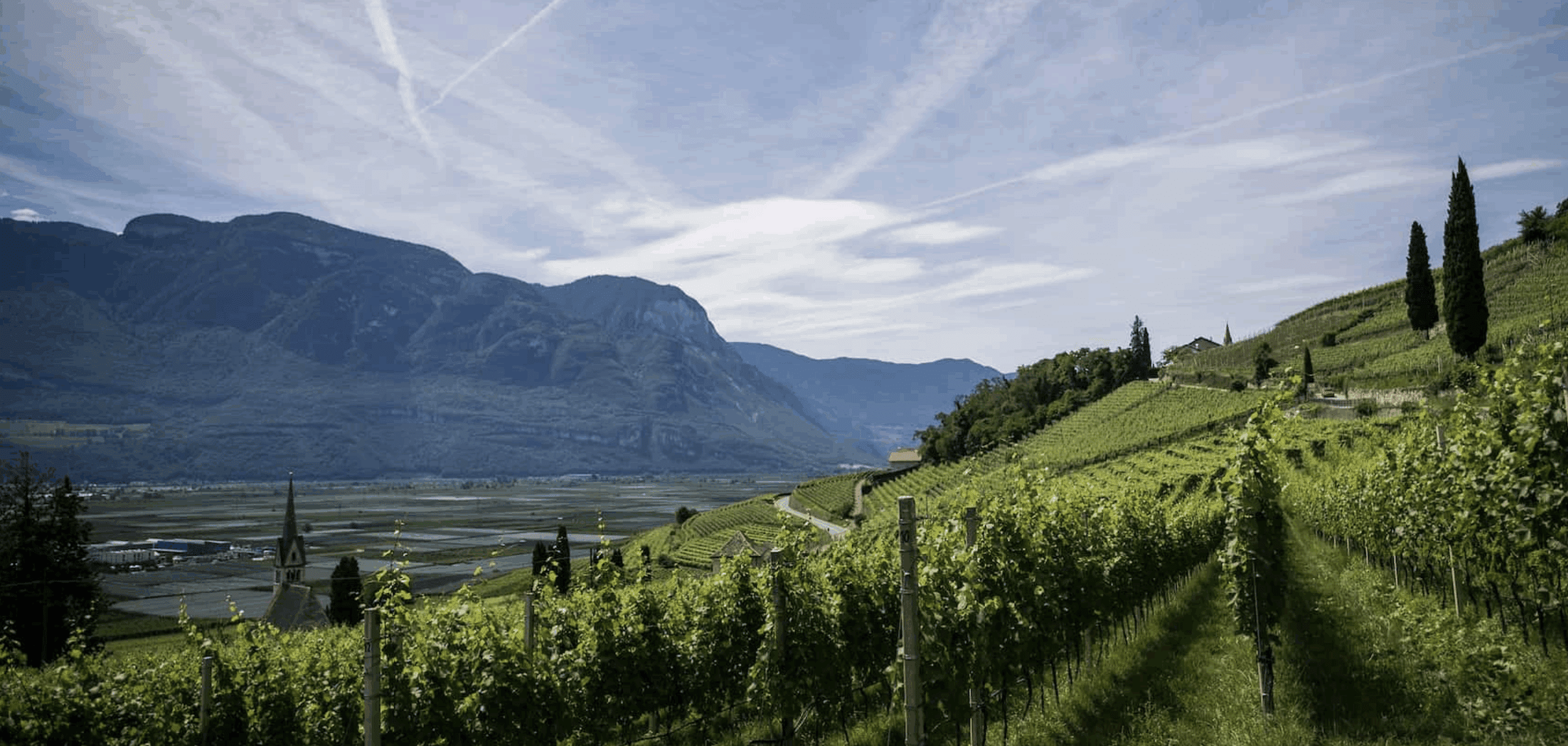
As elevation increases, several key environmental changes occur that directly affect grape growing and winemaking:
- Temperature: Higher altitudes mean cooler average temperatures. Grapes ripen more slowly, allowing flavors to develop gradually while retaining acidity. This leads to wines that are fresher, more elegant, and vibrant on the palate.
- Sunlight Intensity: At altitude, sunlight is stronger due to thinner air and reduced atmospheric filtering. Grapes receive more UV exposure, encouraging thicker skins that contribute to deeper color, greater tannic structure, and more pronounced aromatics.
- Diurnal Shift: The difference between hot days and cool nights is greater at elevation. This balance helps grapes develop both ripeness (sugars, body) and freshness (acidity, aromatic lift), giving wines tension and harmony.
- Soils and Drainage: Mountain slopes often feature rocky, mineral-rich soils with excellent drainage. Vines must struggle to survive, and this stress concentrates flavors in the grapes. In the wine world, we often say: “stressed grapes make the best wine”—and in alpine vineyards, that couldn’t be more true.
Why This Matters in Switzerland
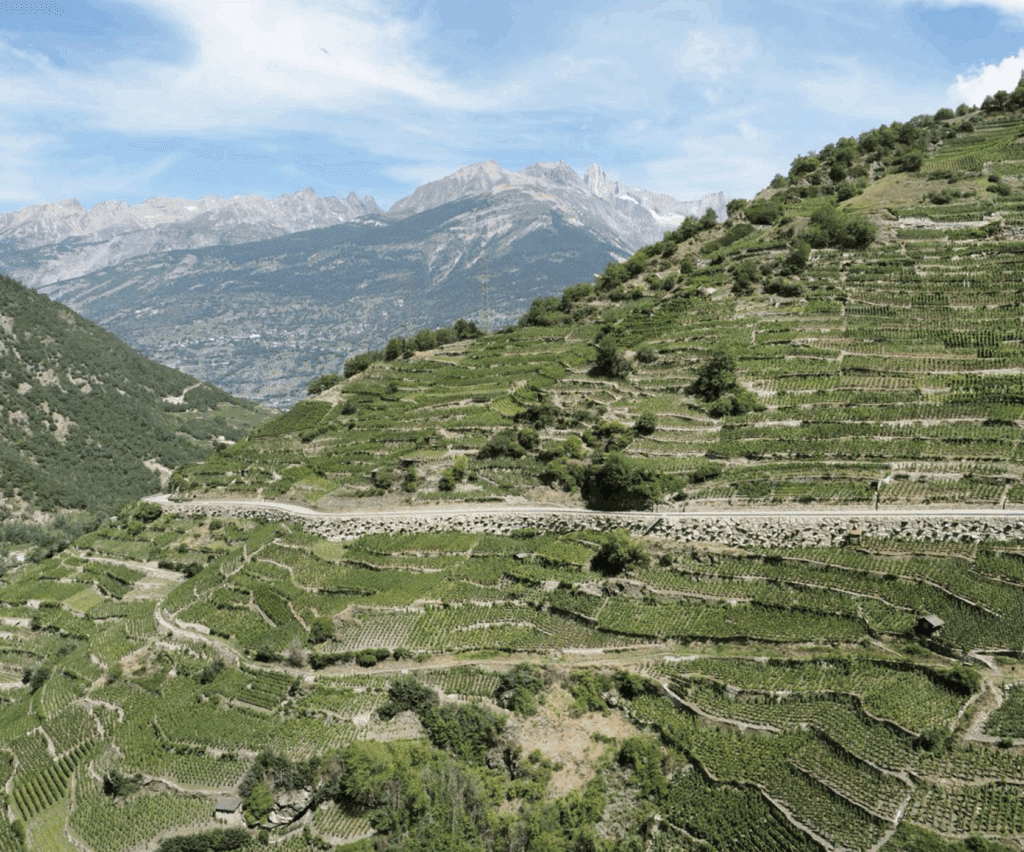
Switzerland is one of the few countries where altitude is a defining trait across many of its vineyards. With vines often planted between 500 and 1,200 meters above sea level—some among the highest in Europe—the alpine conditions shape Swiss wines in unique ways:
- Precision and Purity: The cooler climate preserves bright acidity, making Swiss whites (like Chasselas, Petite Arvine, or Heida) incredibly crisp and food-friendly.
- Intensity and Elegance: Red varieties such as Pinot Noir and Gamay develop aromatic complexity, fine tannins, and a balance of freshness with fruit concentration rarely seen in warmer, lowland vineyards.
- Distinctive Regional Identities: The steep terraces of the Valais, the lakeside vineyards of Vaud and Geneva, and the alpine plots of Graubünden all showcase how altitude combines with “place” to create strikingly different expressions of the same grape varieties. Add to this Switzerland’s patchwork of microclimates—influenced by lakes, mountains, and valley winds—and you have an extraordinary diversity of wines within a relatively small geographic area. A vineyard just a few kilometers away may express the same grape in a completely different way.
In short, altitude is not just a number on a map—it’s one of the keys to the elegance and uniqueness of Swiss wines. Each sip is a reminder that sometimes the best grapes are those that struggle most—and in Switzerland, they struggle beautifully.
Interested in Tasting Swiss Wines?
Are you ready to discover hand-crafted wines with us? Prost Membership gives you access to purchase rarely exported, biodynamic wines at an affordable price. Learn more about our membership by contacting us today.