Wine Tasting 1O1: Step #2
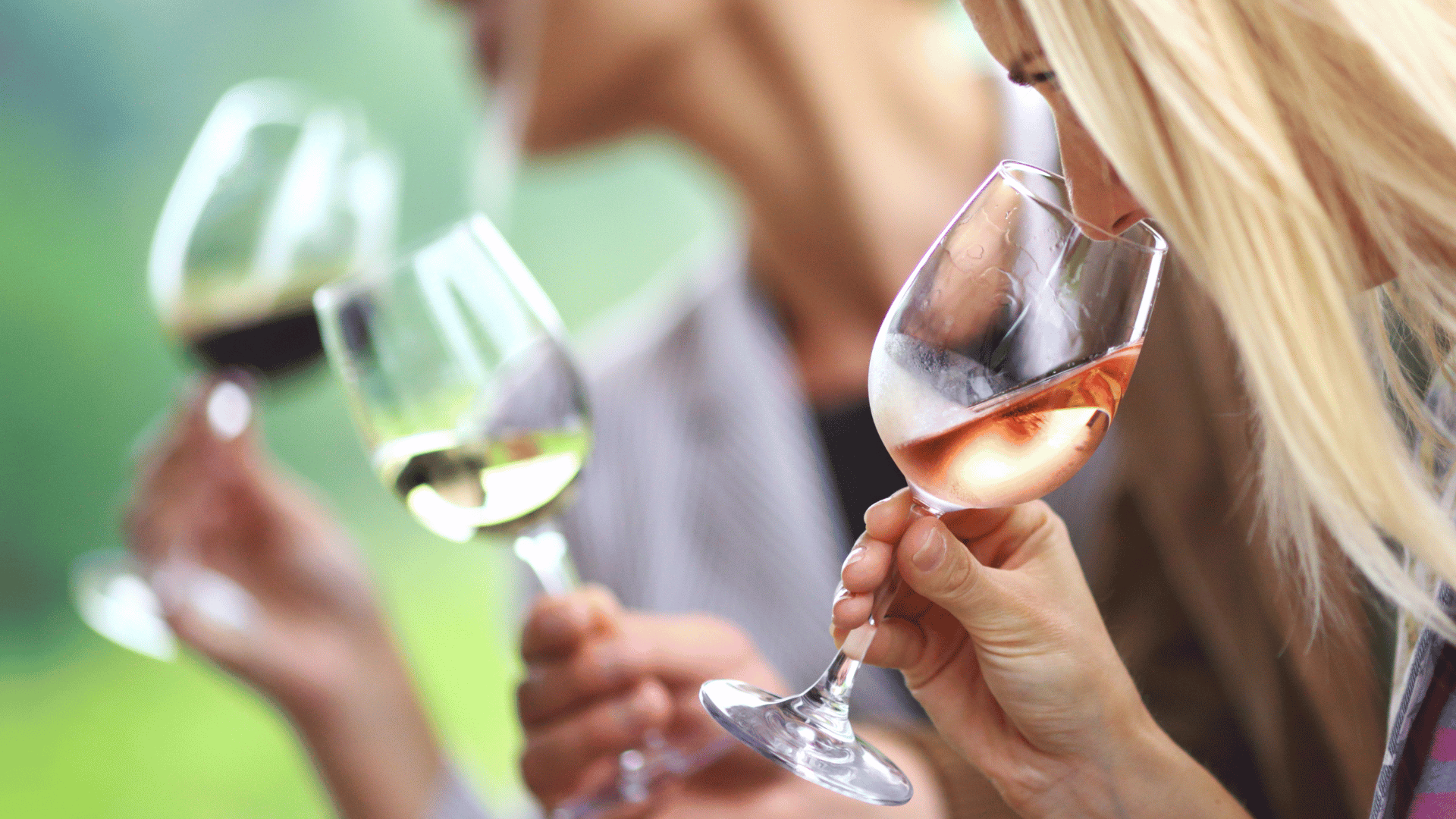
Let’s get nosy about our wines
In our last issue, we talked about what you see in your glass when tasting wine. The next step is smelling the wine, which can tell us a lot about its complexity, character, and quality.
Because approximately 80% of what we perceive as taste comes from our sense of smell, it’s a crucial role in the tasting experience. By smelling a wine, we can identify its aromas, which can indicate grape variety, region, winemaking techniques, and even the wine’s age.
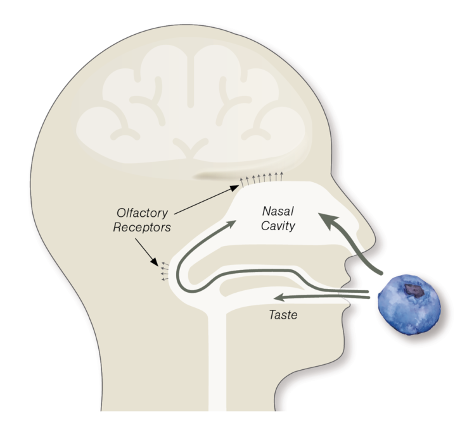
1. Aroma and Flavor Perception
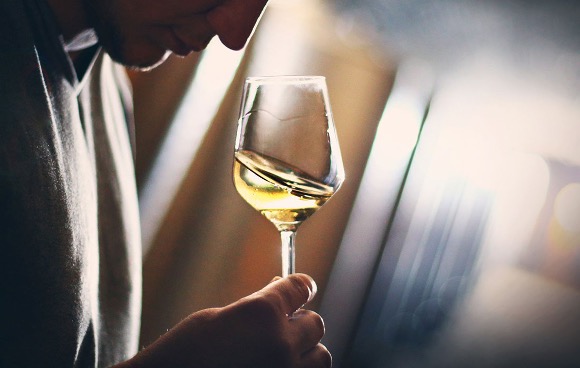
When we smell wine, we’re detecting volatile compounds that are released when the wine is swirled and aerated. These aromas can be fruity, floral, herbal, spicy, or even earthy and smoky, depending on the wine’s characteristics.
2. Identifying Wine Characteristics:
The aromas we detect can reveal a lot about the wine’s origin, such as the grape variety used and the region where it was grown.
Primary Aromas — come directly from the grape and can include fruity, floral, or herbal notes. For example, a Sauvignon Blanc might offer hints of citrus or grass, while a Merlot could deliver aromas of blackberries or plums. Winemaking processes, like fermentation and aging, also influence the aroma profile of the wine.
Secondary Aromas – These develop during the winemaking process, particularly during fermentation. Yeast and fermentation methods can impart smells like freshly baked bread, cream, or even beer-like aromas. Age also influences aroma. For example, a young wine might display fresh fruit aromas, while an older wine might have more complex, aged aromas such as nuts, dried leaves, and leather.
Tertiary Aromas – These emerge as the wine ages in bottle or barrel. Over time, the wine develops more complex aromas like leather, tobacco, dried fruit, and earthy tones. This aging process is often what transforms a good wine into a great one.
3. Enhancing the Tasting Experience:
Smelling the wine before tasting prepares our palate and enhances our overall enjoyment of the wine.
By identifying aromas, we can better understand the wine’s flavors and textures.
The sense of smell is also linked to our emotions and memories, making the wine tasting experience even more personal and enjoyable.
4. Detecting Wine Faults:
Smelling a wine can also help us identify potential faults or spoilage, such as oxidation or other undesirable aromas. An off-putting aroma can be an early warning sign that the wine is not in optimal condition.
How to Sniff
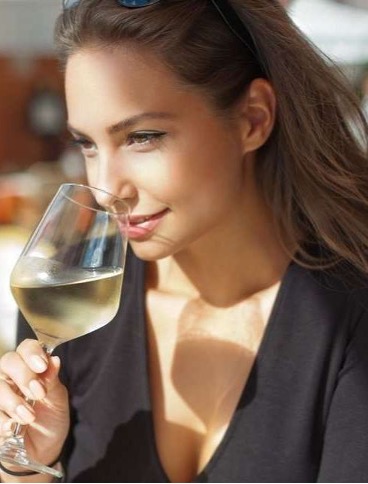
First, swirl the glass, allowing the wine to breathe. Take a deep inhale through the nose but leave your mouth slightly open. Let your mind wander as you try to identify different aromas—some might be familiar while others are unexpected. This moment of inhalation is crucial, as your brain begins to prepare for the flavors to come.
Interested in Tasting Swiss Wines?
Are you ready to discover hand-crafted wines with us? Prost Membership gives you access to purchase rarely exported, biodynamic wines at an affordable price. Learn more about our membership by contacting us today.