
How Noble Rot Creates Liquid Gold
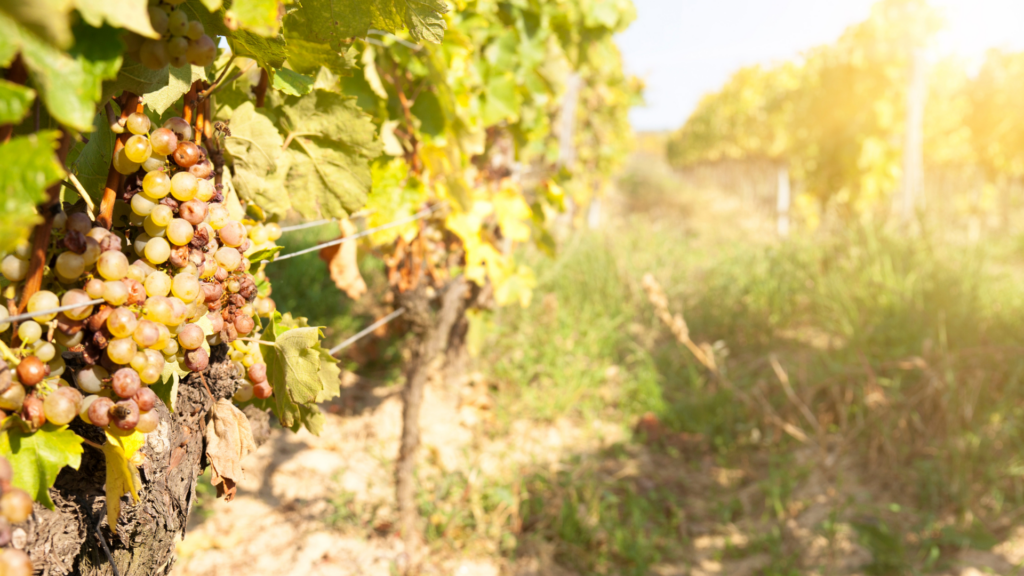
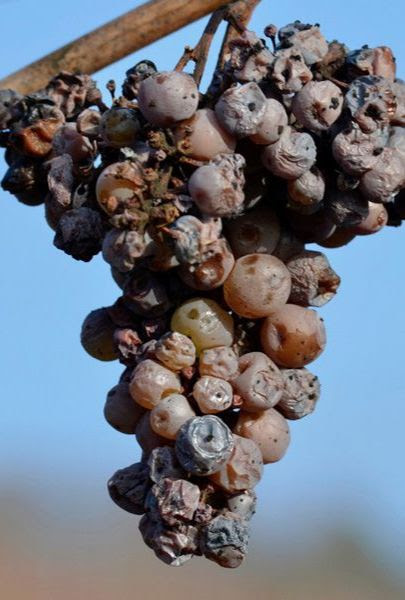
In the cool, misty corners of Switzerland’s vineyards, a remarkable natural phenomenon transforms ordinary grapes into the base for some of the country’s most exquisite dessert wines. This phenomenon is noble rot, or Botrytis cinerea—a fungus that, under just the right conditions, works a kind of alchemy on ripe grapes.
When autumn mornings bring fog followed by warm, sunny afternoons, noble rot begins its delicate work. Instead of spoiling the fruit, the fungus gently punctures the grape skins, allowing water to evaporate and concentrating the sugars, acids, and flavors within. The result is shriveled, honeyed berries bursting with complexity.
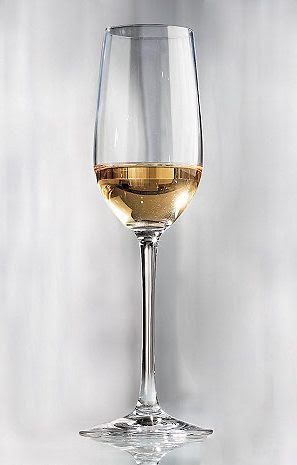
Swiss winemakers—particularly in regions such as Valais, Ticino, and Vaud—harness this rare gift of nature to produce luscious, golden dessert wines known for their balance and finesse. Grapes such as Amigne, Ermitage (Marsanne), and Petit Arvine often play starring roles, yielding wines with notes of apricot, saffron, honey, and candied citrus.
Because noble rot depends on a fragile interplay of humidity and warmth, it cannot be coaxed into appearing every year. That rarity makes botrytized Swiss dessert wines truly special—bottled treasures that capture the fleeting beauty of a perfect vintage and the patient craftsmanship of those who tend the vines.
Interested in Tasting Swiss Wines?
Are you ready to discover hand-crafted wines with us? Prost Membership gives you access to purchase rarely exported, biodynamic wines at an affordable price. Learn more about our membership by contacting us today.