
Wine Tasting 1O1: Step #3
Sip, swish & savor
As we learned last month, 80% of wine flavors come from smell, not taste. But the fun part is the tasting, so here’s the best way to sip, swish and savor your favorite wines!
Tasting the Wine:
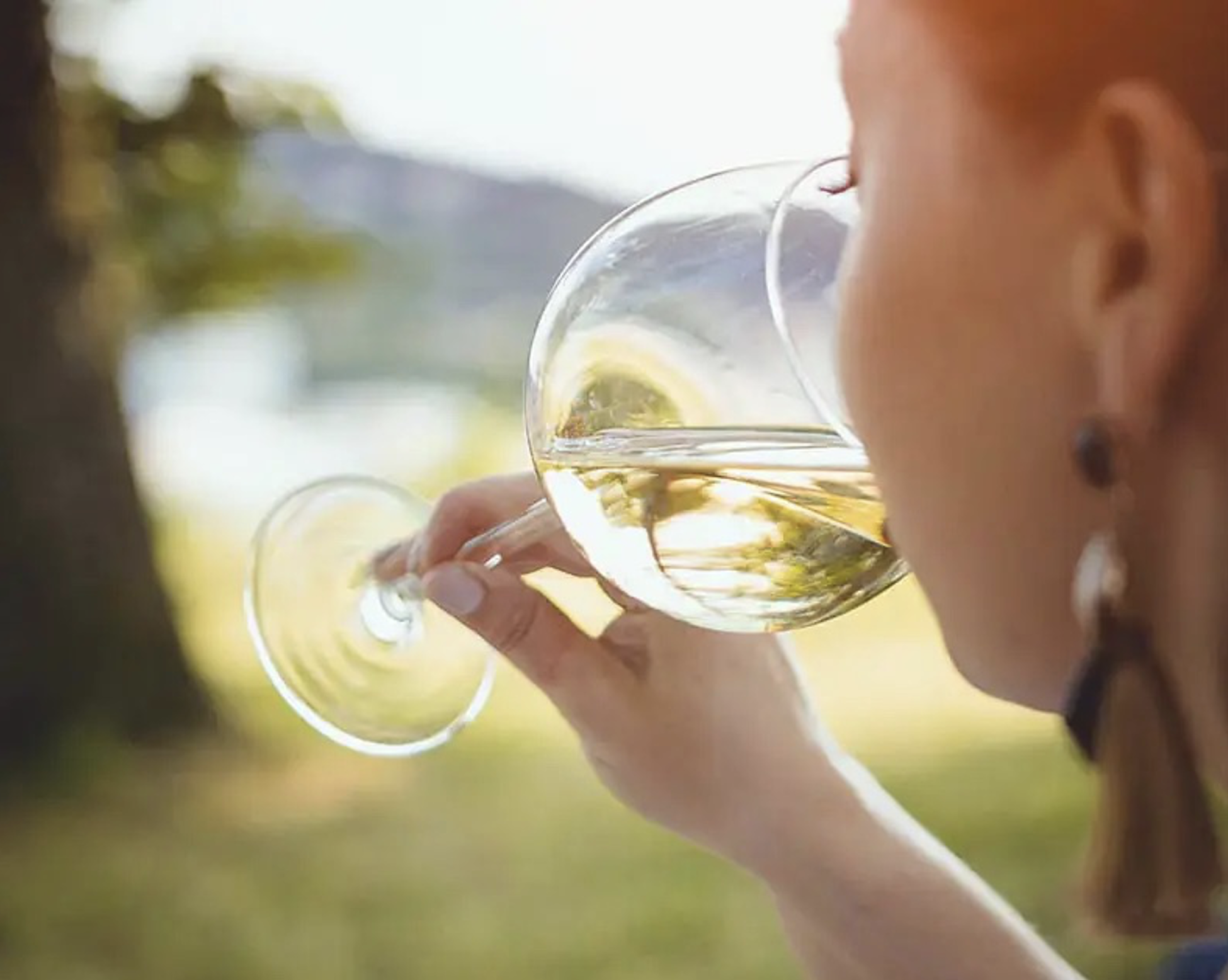
First, sip: Take a small sip, but enough to coat your entire mouth. No gulping! Let it linger in your mouth for a minute before swallowing. This first sip gives you a sense of the wine’s initial impression on your palate.
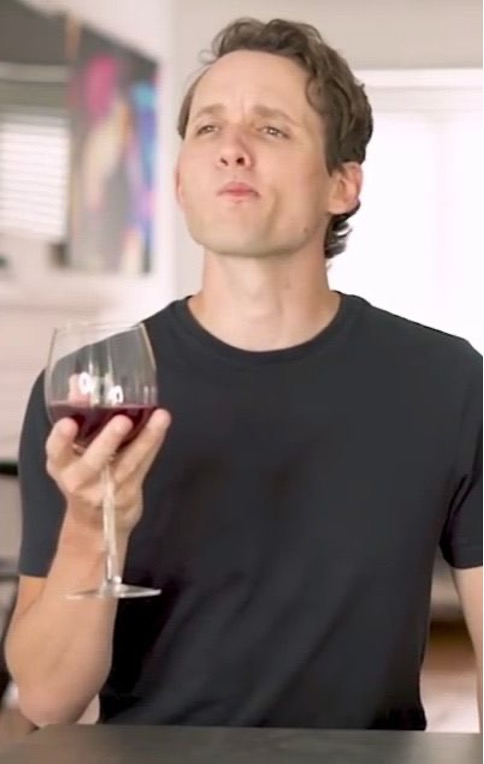
Swish the wine around your mouth: Make sure it touches all parts of your palate. This helps release the flavors and aromas and allows you to experience the wine’s texture and weight, also known as its body. How light or heavy does it feel in your mouth? Wines can range from light to full-bodied.
Here’s where it gets interesting.
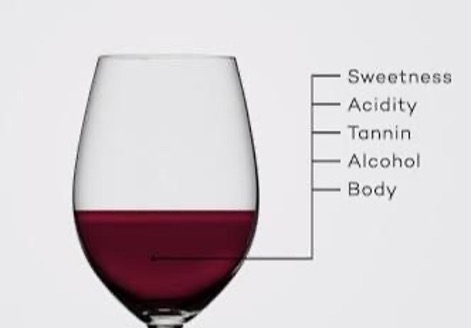
Pay attention to the balance of flavors: the sweetness, acidity, tannins, and other flavors. Is it balanced? Does it feel smooth or astringent?
Here’s a Key:
- Sweetness indicates sugar. Does the wine taste sweet or dry?
- Acidity is mouthwatering; the level of acidity contributes to the wine’s freshness.
- Tannins create a drying sensation in your mouth, especially in red wines.
- Try to identify different tasting notes, such as fruit, herbs, spices or earthiness.

Consider the Finish:
Pay attention to the lingering flavors and how they evolve on your palate. How long do the flavors linger in your mouth after swallowing? Does it have a long or short finish? A longer finish often indicates a higher-quality wine with more complex flavors.
Now savor. Once you taste, it’s important to pause and reflect on what you have experienced. Focus on…
- Balance: how well the wine’s components – such as sweetness, acidity, tannins, and alcohol – harmonize with each other. A well-balanced wine will have these elements in proportion, enhancing the overall drinking experience.
- Complexity: evaluate the wine’s complexity by noting the layers of aromas and flavors it brings. A more complex wine will reveal a range of nuanced scents and tastes, evolving as you sip.
- Finish: Pay attention to the wine’s finish, which is the lingering aftertaste it leaves in your mouth after swallowing. A longer, satisfying finish indicates depth and quality – allowing you to appreciate the wine’s flavors after you’ve taken a sip.
The bottom line and real test after looking, smelling and tasting your wine is this: did you like it? Because that’s what’s important! And if you have multiple favorites and enjoy the art of comparisons, our best advice is practice, practice, practice!
Interested in Tasting Swiss Wines?
Are you ready to discover hand-crafted wines with us? Prost Membership gives you access to purchase rarely exported, biodynamic wines at an affordable price. Learn more about our membership by contacting us today.