
Introduction to Swiss Wine Certifications & Labels
Certification and Labeling
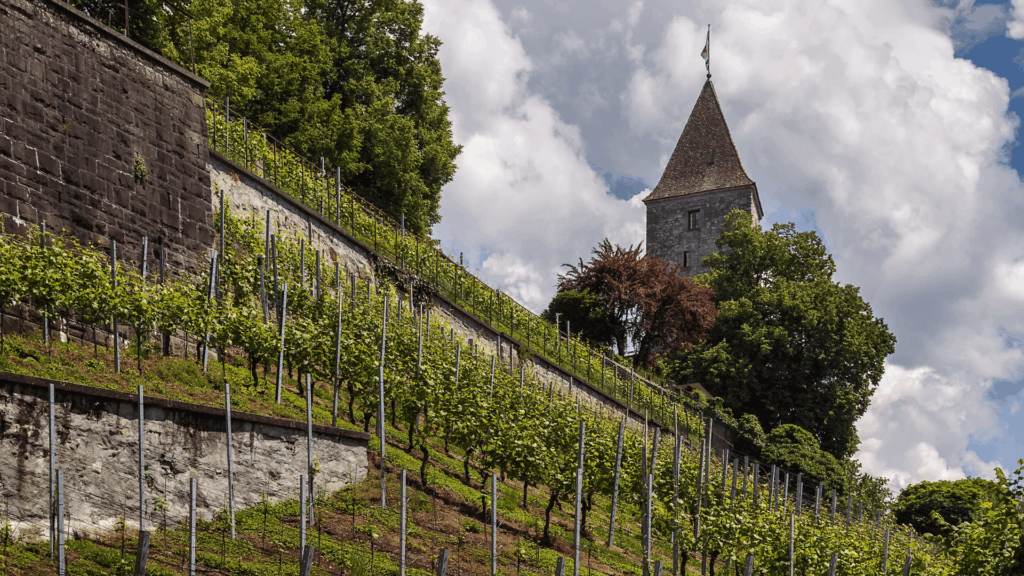



Simple definitions for Switzerland
Organic wine: Wine made with careful attention to nature. Growers avoid synthetic pesticides and chemical fertilizers, encourage helpful insects, and use only a small number of natural additives in the cellar.
Biodynamic wine: Wine made with organic methods, plus a broader farming philosophy that follows natural rhythms and focuses on soil, plants, animals, and people as one connected system. Biodynamic producers work to build healthy soil and strong vines, and they allow very few corrections in the cellar.
Source: Swiss Wine
Natural wine: Wine made from certified organic or biodynamic grapes, using only the yeasts naturally found on the grapes and in the vineyard. Natural wines are usually made with no additives, no filtering, and little or no added sulphur. Source: Wine Folly
For a wider international view, the OIV (International Vine and Wine Organization) provides global statistics, definitions, and regulations for organic wine.
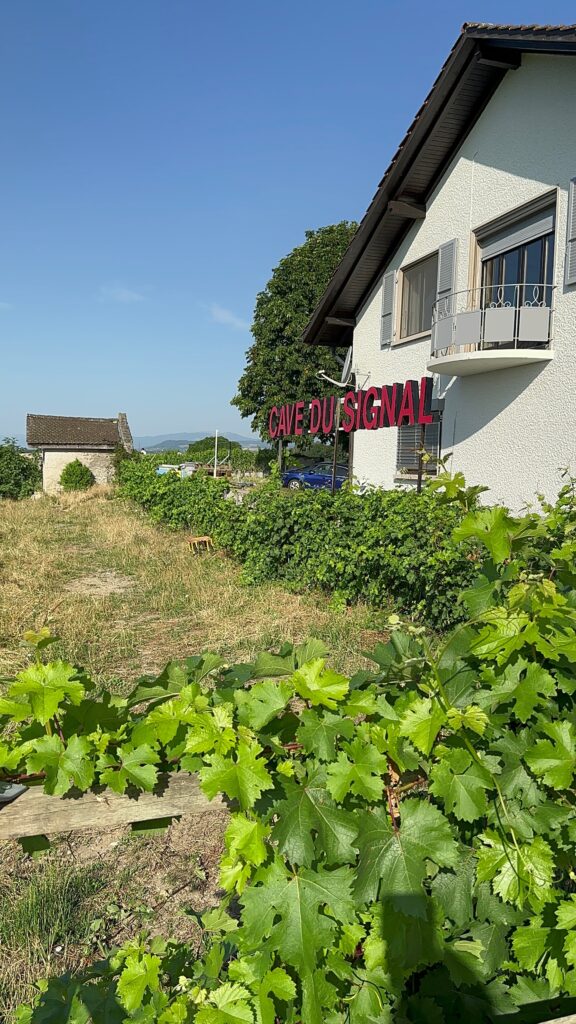
Swiss certified organic wines
A national organic certification system was set up in 1997 with the creation of the “Swiss Organic Ordinance”. Any wine that carries “bio” (organic) on its label must be certified through this system. Soil health is a key part of this, “The fertility and biological activity of the soil shall be maintained and, if possible, increased.”
Four private companies, are accredited to carry out certification. They check that wineries (and other agricultural producers) are compliant with the federal ordinance and they often offer their services to other countries: bio.inspecta AG, Bio Test Agro AG, Ecocert Swiss AG and ProCert AG. They are required to carry out at least one inspection a year and spot checks as well as obtain and test samples. The federal agriculture office oversees the certification companies.
Some agricultural products, including wine, may be organic even though the label does not state this. Certification isn’t required if these are for consumption only in Switzerland, so don’t assume the producer is being dishonest in calling a wine “organic” when the label doesn’t show it. The certification process can be costly and small producers in particular may not feel it’s worth the effort and expense.
On the other hand, certified organic wines definitely meet a strict set of standards, a consumer guarantee that “organic” isn’t being used simply as a marketing ploy. You will sometimes see that a winery is listed as “in conversion” to organic. Federal regulations require farmers to follow organic production regulations for two years before they can apply for certification. Occasionally, if difficult circumstances require it, they can ask to take five years. Organic farmers often prefer to use the term “reconversion” to underscore that soil started out healthy and was weakened by conventional farming methods, while organic farming aims to restore its vitality. This point is particularly important to biodynamic producers (see Biodynamic).
International agreements on wines labelled organic
Swiss government certification is closely aligned with European standards for organic wines. Europe had a mix of standards and in some cases dubious implementation until a new European Union system went into effect in 2012. Switzerland was one of the first countries to be part of this European organic Wine carta initiative (EoWc). Since then, an international system to harmonize standards and allow countries to recognize organic wines from other countries has been under continual development. The new regulations have improved the consistency and quality of these wines. It’s complex and subject to international agriculture and trade agreements and thus to frequent revisions. A Swiss wine certified organic cannot simply be imported into the US with a Swiss label, for example.
Switzerland follows the European Union’s lists that recognize “third countries” bodies which oversee certification and labelling. For the US the list is long because each state has several bodies. Other countries may be partially recognized until the EU is confident that the level of their standards meets that of European countries. Federal certification plus Swiss private organic labels In addition to an official Swiss federal system, two highly respected private groups approve organic labels with their own very strict standards that go beyond federal law: Bio Suisse and Demeter. The first covers organic wines and the second biodynamic wines.
In addition to the official Swiss federal system, two highly respected private groups approve organic labels with strict standards that go beyond federal law: Bio Suisse, covering organic wines, and Demeter, covering biodynamic wines:
Bio Suisse was created in 1981, well in advance of a national legal requirement. Its label, which shows an organic bud (Bourgeon), is well known throughout Switzerland. More than 540 wineries use this label.
Swiss Wine Promotion notes that: This label goes beyond international provisions and the Federal Ordinance on Organic Farming. The entire estate must be organically farmed. In order to promote biodiversity, 7% of the estate’s land must be pasture, dry stone walls, hedges or trees. So that the vine is protected from diseases and pests, Bourgeon winegrowers pay particular attention to natural processes favouring the populations of useful insects. As they do not use synthetic pesticides or chemical fertilizers, soils retain all their character and fertility. In the cellars, winegrowers are entitled to three times less additives or treatments than their European organic counterparts. For winemaking, only a few natural additives are expressly allowed.
Demeter, an international federation with a Swiss branch, is celebrating its centennial in 2024. Biodynamic wines are the result of an intense relationship with the soil, “Living wines need living soils. The soil is the “treasure chest” of every Demeter biodynamic vineyard, explaining why biodynamic winegrowers are particularly careful with it. They make sure that the humus layer of the soil grows continuously so that their vineyard can withstand both droughts and heavy rainfall, allowing a variety of micro-organisms to settle in it. All this contributes to the expression of terroir and aroma in wine.” Diversity in the vineyard, biodynamic preparations and working with sun and moon rhythms are part of the toolkit of these winemakers.

IP-Suisse stands for integrated production, established by a small group in 1989 to reduce the use of phytosanitary (chemical) products and promote biodiversity, mainly through more green cover and more surface area where biodiversity is a priority. Today more than 20,000 Swiss farmers, including wine grape growers, adhere to its standards and use the ladybug logo.
Vinatura (details in French), like IP, is focused on sustainable farming, but it has a precise task. The Swiss Federal Office of Agriculture mandated the Federation for the Development of Sustainable Viticulture (now called Vitiswiss) to create guidelines to obtain “proof of ecological performance”, known as PEP. The label indicates to consumers that these wines are made following economic, social and environmental principles of sustainable development. These are laid out in a charter with eight points to which growers must adhere.
Vin Nature is a newcomer, with its promotional body, Association Suisse Vin Nature (ASVN) founded in 2021. Its 21-point charter is designed to help producers but also to promote the diversity of Swiss natural wines.
For an even deeper dive…
*Swiss Wine Promotion offers a free online course in several languages, including English, for anyone who wants to learn more about Swiss wines. Choose one of three levels, register, and work through the modules at your own pace. The course also includes a module on certification and related topics for organic and natural wine categories.
Republished with permission from Ellen Wallace. ellenwallace.substack.com